Forged brass components
Hot-forged brass blanks from 25 g to 1.0 kg, CNC-machined to your drawing. Forging first saves material and machining time on parts with branches, flanges or large heads.
- Process
- Hot forging, then CNC turning, drilling and threading
- Weight range
- 25 g – 1.0 kg
- Tolerance
- ±0.05 mm on machined features
- Threads
- M · BSP/BSPT · NPT · UNC/UNF
- Material
- CW617N (CuZn40Pb2, forging brass); DZR on request · CW614N or CW617N?
- Finish
- Shot-blasted, natural or bright; or plated in our plant: nickel, tin or zinc; silver or chrome on request
- Documents
- EN 10204 3.1 mill certificate, certificate of conformity and final inspection report with every batch; PPAP Level 3 on request · Quality
- Volumes
- From a few thousand pieces to millions a year
Typical forgings
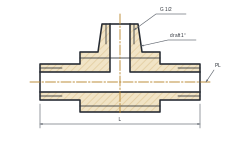
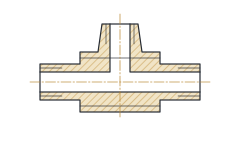
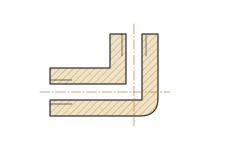
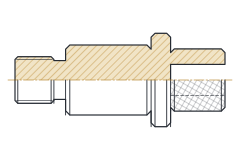
Representative shapes, drawn as half-sections or exterior views (not to a common scale).


Forged parts we make
Made to your drawing or sample.
- Valve and fitting bodies
- Tees, elbows and manifolds
- Forged automotive components
- Flanged and branched bodies, machined to drawing
When to forge
- Forge
- Parts with a large flange, side branches or a big head compared with the body: forging puts material only where it is needed.
- Turn from bar
- Parts of mostly one diameter: brass turned components.
Buying forgings from AirGrip
Is a forged part cheaper than one machined from bar?
Forging adds a die but cuts material and machining time, so for branched or flanged parts in volume it is usually cheaper. If both routes make sense, the quote shows both.
Lead times, MOQ, NDA and delivery terms: Ordering & shipping.
Related
66 machines
CapabilitiesProcesses & machinesCuZn39Pb3 · CuZn40Pb2
CW614N vs CW617NMachining or forging brassSend the drawing of your forged part
Include the annual volume: it decides whether a forging die pays off.